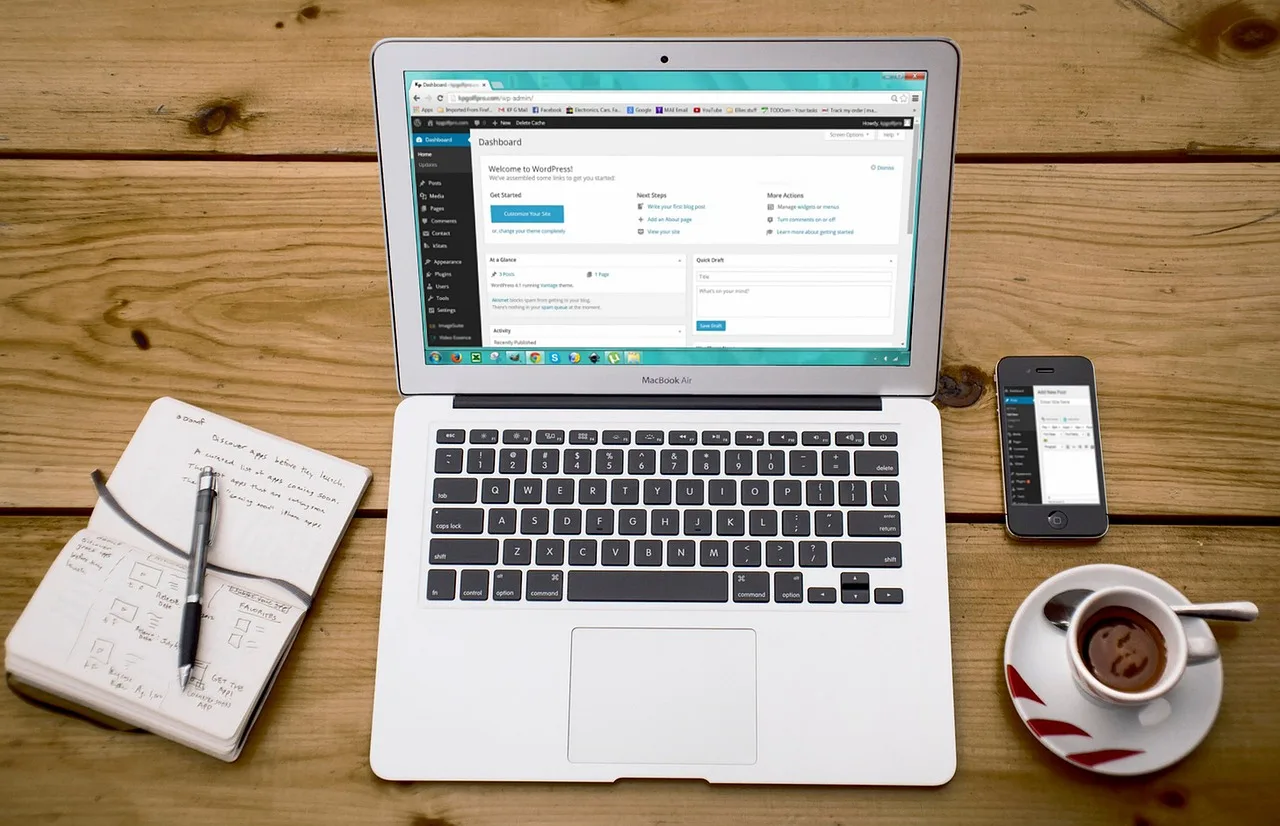
Affiliate pages for WordPress hosting offers are specialized landing pages designed to convert visitors into customers for hosting providers while earning commissions for the publisher. These pages serve as a bridge between niche audiences—such as bloggers, small agencies, and independent web publishers—and the technical infrastructure required to run a WordPress site. Unlike generic product reviews or broad affiliate content, these pages are optimized for SEO workflows, user intent, and conversion paths specific to hosting decisions. They require a balance of technical accuracy, trust-building content, and strategic placement within a publisher’s website architecture.
Why WordPress Hosting Affiliate Pages Matter for Online Business Infrastructure
WordPress powers over 40% of all websites, making hosting one of the most lucrative and competitive affiliate verticals. For publishers, hosting affiliate pages are not just about commissions—they are a foundational element of an online business asset. These pages:
- Address a recurring need: Every WordPress site requires hosting, and users revisit hosting decisions during migrations, scaling, or troubleshooting.
- Align with SEO content workflows: Hosting-related queries (e.g., "best WordPress hosting for eCommerce," "managed vs. shared hosting") have high search volume and commercial intent.
- Support niche publishing: Affiliate pages can be tailored to specific audiences, such as developers, agencies, or small business owners, increasing relevance and conversion rates.
- Integrate with website infrastructure: Well-structured affiliate pages can feed into broader content funnels, such as tutorials, comparisons, or resource hubs, creating a cohesive user journey.
How to Structure Affiliate Pages for Maximum Relevance and Conversion
What Should the Page’s Primary Goal Be?
The goal of a WordPress hosting affiliate page is to guide visitors toward a hosting decision while positioning the publisher as a credible, unbiased resource. This requires clarity on three fronts:
- User intent: Are visitors researching options, comparing providers, or ready to purchase?
- Content depth: Does the page answer technical questions (e.g., uptime, support, scalability) or focus on high-level benefits?
- Conversion path: Does the page lead to a single recommendation, a comparison table, or a multi-step funnel?
What Are the Essential Components of a High-Converting Affiliate Page?
A well-structured WordPress hosting affiliate page typically includes the following elements, arranged in a logical flow:
- Headline: Clearly state the page’s purpose (e.g., "Best Managed WordPress Hosting for High-Traffic Blogs in 2024").
- Introduction: Define the target audience and the problem the page solves (e.g., "If you’re running a WooCommerce store, you need hosting that scales with traffic spikes").
- Criteria for selection: Explain the methodology behind the recommendations (e.g., "We evaluated providers based on speed, support, and pricing transparency").
- Comparison table: Present key features (e.g., uptime, storage, support channels) in a scannable format.
- Detailed reviews: Provide in-depth analysis of each hosting provider, including pros, cons, and ideal use cases.
- FAQ section: Address common concerns (e.g., "Can I migrate my existing site?" or "What’s the difference between shared and VPS hosting?").
- Call-to-action (CTA): Use clear, benefit-driven language (e.g., "Get 24/7 support and free migrations") rather than generic "Click here" prompts.
- Trust signals: Include testimonials, case studies, or data (e.g., "Trusted by 50,000+ WordPress sites") to reduce friction.
How to Optimize Affiliate Pages for SEO Without Over-Optimization
What Keywords Should You Target?
Keyword selection for WordPress hosting affiliate pages should prioritize:
- Commercial intent: Terms like "best WordPress hosting," "top managed hosting providers," or "affordable VPS for WordPress."
- Long-tail queries: Niche-specific terms (e.g., "best hosting for WooCommerce multilingual sites") to capture lower-competition traffic.
- Problem-solving queries: Questions like "Why is my WordPress site slow?" or "How to fix 500 errors on WordPress" that can funnel into hosting recommendations.
Avoid targeting overly broad terms (e.g., "web hosting") unless the page is part of a larger content cluster. Instead, focus on modifiers that indicate purchase intent, such as "best," "top," "review," or "vs."
How Should You Structure Content for SEO?
Search engines favor affiliate pages that demonstrate expertise, authoritativeness, and trustworthiness (E-E-A-T). To align with these principles:
- Use semantic HTML: Structure content with
<h2>and<h3>tags to create a clear hierarchy. Include<strong>for key terms. - Answer user questions: Use question-style subheadings (e.g., "What is managed WordPress hosting?") to match voice search and featured snippets.
- Internal linking: Link to related content (e.g., "How to Migrate Your WordPress Site") to keep users engaged and improve site architecture.
- Update regularly: Hosting providers frequently change pricing, features, or policies. Refresh content at least quarterly to maintain accuracy.
- Avoid thin content: Pages with minimal text or excessive affiliate links may be flagged as low-quality. Aim for at least 1,000 words of original, value-driven content.
What Are the Risks of SEO Over-Optimization?
Affiliate pages are scrutinized by search engines for manipulative tactics. To mitigate risks:
- Prioritize user experience: Ensure the page loads quickly, is mobile-friendly, and has a logical flow.
- Disclose affiliations: Include a clear disclosure (e.g., "This page contains affiliate links") to comply with FTC guidelines and build trust.
- Avoid keyword stuffing: Use variations of target keywords naturally (e.g., "WordPress hosting" vs. "hosting for WordPress sites").
- Diversify traffic sources: Relying solely on organic search is risky. Promote affiliate pages via email newsletters, social media, or paid ads to reduce dependency on SEO.
How to Integrate Affiliate Pages into a WordPress Publishing Workflow
Where Should Affiliate Pages Live in Your Site Architecture?
Affiliate pages should be strategically placed within a WordPress site’s structure to maximize visibility and conversions:
- Resource hubs: Create a dedicated "Hosting" or "Resources" section in the main navigation to group related content.
- Content clusters: Build topic clusters around hosting (e.g., "WordPress Speed Optimization" → "Best Hosting for Fast WordPress Sites").
- Sidebar or footer CTAs: Use widgets to promote affiliate pages on relevant blog posts (e.g., a "Recommended Hosting" banner on a "How to Start a Blog" guide).
- Exit-intent popups: Capture visitors who may leave without converting by offering a hosting comparison or discount.
How Can You Repurpose Content for Multiple Formats?
To extend the reach of affiliate pages, repurpose content into:
- Video reviews: Embed a YouTube video comparing hosting providers, with timestamps for key features.
- Infographics: Visualize data (e.g., "Shared vs. Managed Hosting: Which is Right for You?").
- Email sequences: Send a series of emails (e.g., "3 Hosting Mistakes to Avoid") that link to the affiliate page.
- Social media snippets: Share key takeaways (e.g., "Did you know managed hosting includes automatic updates?") with a link to the full page.
What Are the Key Takeaways?
- Affiliate pages for WordPress hosting must balance technical accuracy, user intent, and conversion optimization.
- Structure pages with clear headlines, comparison tables, detailed reviews, and trust signals to guide visitors toward a decision.
- Target commercial-intent keywords and long-tail queries to capture niche audiences while avoiding over-optimization.
- Integrate affiliate pages into a broader content strategy, using internal linking, resource hubs, and repurposed formats to maximize reach.
- Prioritize transparency, regular updates, and user experience to build trust and comply with search engine guidelines.
- Diversify traffic sources to reduce reliance on organic search and mitigate risks associated with algorithm changes.
Frequently Asked Questions About WordPress Hosting Affiliate Pages
How Often Should I Update My Affiliate Pages?
Update affiliate pages at least every 3–6 months to reflect changes in hosting providers’ features, pricing, or policies. Quarterly reviews are ideal for maintaining accuracy and SEO performance. If a provider discontinues a plan or introduces a major update, update the page immediately.
Can I Use Affiliate Links in Blog Posts, or Should They Be on Dedicated Pages?
Both approaches can work, but dedicated affiliate pages typically perform better for hosting offers. Blog posts (e.g., "How to Speed Up WordPress") can include contextual links to affiliate pages, but standalone pages allow for deeper comparisons, structured data, and better conversion optimization. Use blog posts to funnel traffic to dedicated pages rather than relying on them as primary conversion points.
What’s the Best Way to Disclose Affiliate Relationships?
Include a clear, conspicuous disclosure at the top of the page (e.g., "This page contains affiliate links, which means we may earn a commission if you make a purchase through our links"). Avoid burying the disclosure in fine print or using vague language. Transparency builds trust with readers and complies with FTC guidelines.
How Can I Track the Performance of My Affiliate Pages?
Recommended resource
Hosting Affiliate Machine
A practical script for building content pages around web hosting affiliate programs, comparisons and hosting-related niche opportunities.
Discover this resourceBuild pages like this
Tools for niche site builders and hosting affiliates
This site is part of a practical publishing workflow for affiliate marketers, niche site builders and independent web publishers who want to launch structured SEO pages without starting from scratch every time.