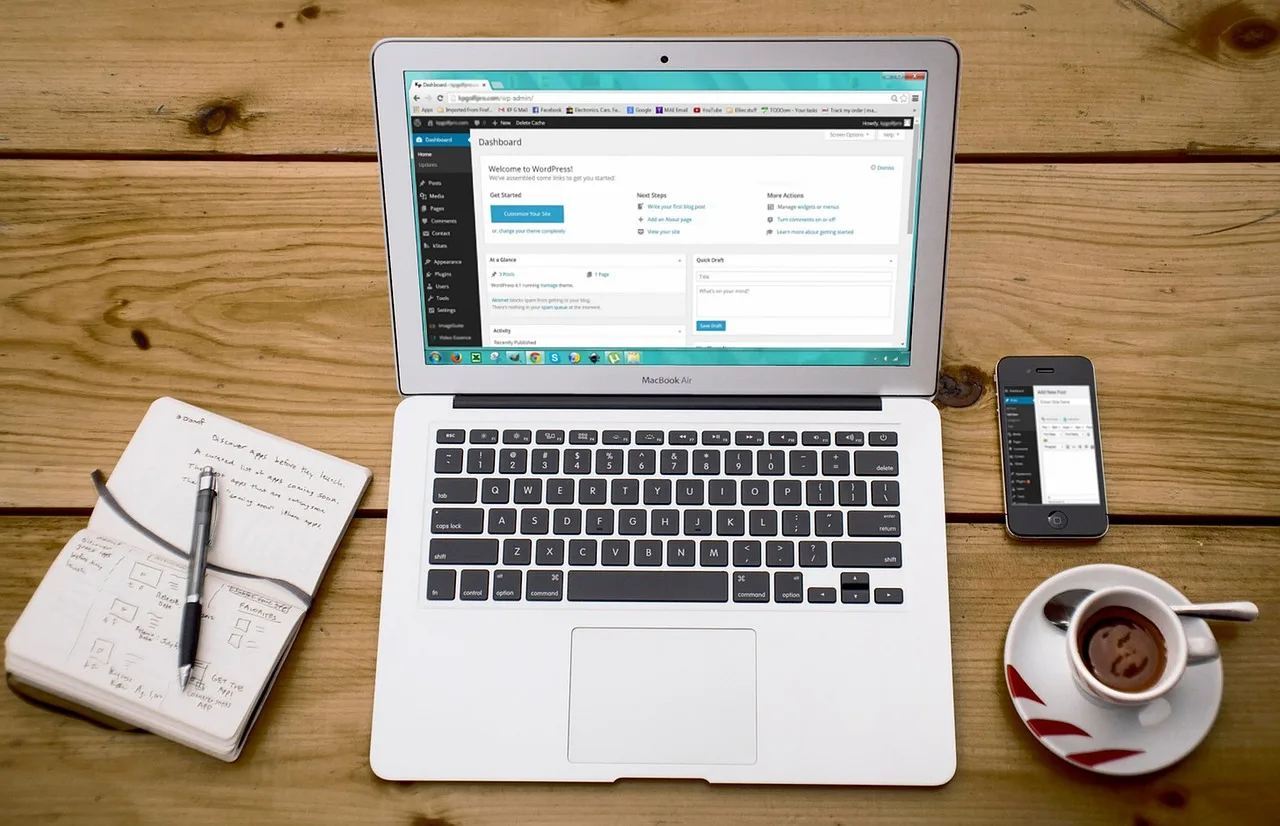
Affiliate pages for scalable WordPress hosting offers are specialized content assets designed to convert niche audiences—such as small business owners, independent bloggers, and digital agencies—into qualified leads for hosting providers. These pages operate within a broader SEO-driven publishing workflow, where the goal is not just to rank for commercial keywords, but to build trust, educate users, and guide them toward infrastructure decisions that support long-term online growth. Unlike generic product reviews or promotional banners, well-structured affiliate pages for WordPress hosting focus on scalability, performance, and ease of use—key concerns for users who want to avoid server administration while still owning a reliable digital presence.
This guide explains how to design, optimize, and maintain affiliate pages that serve both search engines and real users, without relying on hype or misleading claims. It covers content strategy, technical considerations, SEO best practices, and risk-aware publishing workflows tailored for WordPress-focused affiliate marketers and niche publishers.
Why Focus on WordPress Hosting for Affiliate Pages?
What makes WordPress hosting a strong affiliate niche?
WordPress powers over 43% of all websites globally, making it the dominant content management system (CMS) for small businesses, bloggers, and agencies. Unlike generic web hosting, WordPress hosting is optimized specifically for the platform, offering features like one-click installations, automatic updates, enhanced security, and performance tuning. This specialization creates a clear value proposition for users who want a managed experience without technical overhead.
For affiliates, this niche offers several advantages:
- High commercial intent: Users searching for "best WordPress hosting for small business" or "scalable WordPress hosting" are often ready to make a purchase decision.
- Recurring revenue potential: Many hosting providers offer lifetime or multi-year commission structures, rewarding affiliates for long-term customer retention.
- Content depth: The technical and practical nuances of WordPress hosting allow for detailed, evergreen content that ranks well and converts over time.
- Low barrier to entry: Unlike complex SaaS products, hosting is a tangible service that users understand and need from day one.
How does scalability fit into the affiliate value proposition?
Scalability in WordPress hosting refers to the ability of a hosting plan to grow with a website’s traffic, storage, and functionality needs—without requiring a full migration or technical intervention. For small businesses, this means starting with a basic shared plan and upgrading seamlessly to VPS, cloud, or managed hosting as their audience expands.
Affiliate pages that emphasize scalability address a core pain point: the fear of outgrowing a hosting plan and facing downtime, slow performance, or costly migrations. By positioning hosting offers as future-proof, publishers can build trust and reduce buyer hesitation.
How to Structure Affiliate Pages for Maximum Clarity and Conversion
What are the essential components of a high-converting WordPress hosting affiliate page?
A well-structured affiliate page balances education, comparison, and conversion. It should guide users from awareness to decision without feeling salesy. The following components are critical:
- Clear headline: State the page’s purpose upfront (e.g., "Scalable WordPress Hosting for Small Businesses: A 2025 Guide").
- Problem statement: Identify the user’s pain points (e.g., slow load times, limited storage, poor support).
- Solution overview: Explain how WordPress hosting addresses these issues, with a focus on scalability.
- Comparison table: Present key features (e.g., uptime, bandwidth, support, pricing tiers) in a scannable format.
- Detailed reviews: Break down each hosting option with pros, cons, and use-case scenarios.
- FAQ section: Address common objections (e.g., "Is managed hosting worth the cost?" or "Can I upgrade later?").
- Call-to-action (CTA):strong> Use neutral, benefit-driven language (e.g., "Compare Plans" or "See Pricing").
- Trust signals: Include testimonials, case studies, or data (e.g., "Trusted by 50,000+ small businesses").
How should you organize content for SEO and readability?
Search engines prioritize content that answers user intent comprehensively. For WordPress hosting affiliate pages, this means:
- Semantic keyword targeting: Use variations of the primary keyword (e.g., "scalable WordPress hosting," "best hosting for growing websites," "WordPress hosting for small business") naturally throughout the content.
- Hierarchical headings: Use
<h2>and<h3>tags to create a logical flow, with questions as subheadings to match voice search queries. - Short paragraphs: Keep paragraphs under 3–4 sentences to improve readability on mobile devices.
- Bullet points and lists: Break down complex information (e.g., feature comparisons) into scannable formats.
- Internal linking: Link to related content (e.g., "How to Migrate Your WordPress Site" or "WordPress Security Best Practices") to keep users engaged and improve site authority.
- Schema markup: Use
Review,FAQPage, andProductschema to enhance search visibility and rich snippets.
What Are the Key Takeaways?
- Affiliate pages for WordPress hosting must prioritize scalability, performance, and ease of use to resonate with small business owners and niche publishers.
- Content should be educational first, promotional second, addressing user pain points and objections before presenting solutions.
- Structural clarity—through headings, lists, and comparison tables—improves both SEO performance and user experience.
- Targeting commercial intent keywords with semantic variations increases the likelihood of ranking for high-converting queries.
- Trust signals, such as testimonials and data, reduce friction and improve conversion rates without resorting to hype.
- Regular updates and technical accuracy are essential to maintain search rankings and affiliate compliance.
- Affiliate pages should be treated as long-term assets, not one-off promotions, requiring ongoing optimization and performance tracking.
How to Optimize Affiliate Pages for SEO Without Over-Optimization
What on-page SEO factors matter most for WordPress hosting pages?
On-page SEO for affiliate pages involves balancing keyword relevance with natural language. Key factors include:
- Title tag: Include the primary keyword near the beginning (e.g., "Scalable WordPress Hosting for Small Businesses in 2025"). Keep it under 60 characters.
- Meta description: Write a concise summary (under 160 characters) that includes the keyword and a value proposition (e.g., "Find the best scalable WordPress hosting for your growing business. Compare plans, features, and pricing to make an informed choice.").
- URL structure: Use short, descriptive URLs (e.g.,
/scalable-wordpress-hosting) with the primary keyword. - Image optimization: Use descriptive file names and
alttext (e.g.,alt="scalable-wordpress-hosting-comparison-table"). Compress images to improve page speed. - Internal linking: Link to related content (e.g., "How to Choose a WordPress Hosting Plan") to improve crawlability and user engagement.
- Page speed: Optimize loading times by using a lightweight theme, caching plugins, and a reliable hosting provider (ironically, your own site’s performance affects credibility).
- Mobile responsiveness: Ensure the page renders well on all devices, as mobile traffic often exceeds desktop for commercial queries.
How can you avoid common SEO pitfalls in affiliate content?
Affiliate content is often scrutinized by search engines for quality and intent. To avoid penalties or ranking drops:
- Avoid thin content: Pages with little original analysis or value (e.g., copied feature lists) are unlikely to rank. Add unique insights, case studies, or data.
- Don’t overuse exact-match keywords: Focus on natural language and semantic variations (e.g., "hosting for growing WordPress sites" instead of repeating "best WordPress hosting").
- Disclose affiliate relationships: Include a clear disclosure (e.g., "This page contains affiliate links") to comply with FTC guidelines and build trust.
- Update content regularly: Hosting features, pricing, and performance metrics change frequently. Review and refresh content at least quarterly.
- Avoid misleading claims: Don’t promise "unlimited" resources or "guaranteed" uptime unless the hosting provider explicitly offers them.
- Monitor backlinks: Low-quality or spammy backlinks can harm rankings. Use tools to disavow toxic links if necessary.
How to Maintain and Scale Affiliate Pages Over Time
What workflows ensure long-term success?
Affiliate pages are not "set and forget" assets. To maintain their effectiveness:
- Track performance metrics: Monitor rankings, traffic, click-through rates (CTR), and conversion rates using tools like Google Analytics, Search Console, and affiliate dashboards.
- Update content quarterly: Review hosting plans, pricing, and features to ensure accuracy. Add new sections (e.g., "2025 Updates") to keep the page fresh.
- Expand with supporting content: Create related articles (e.g., "How to Migrate to a New WordPress Host") and interlink them to build topical authority.
- Test CTAs and layouts: Experiment with different call-to-action placements, button colors, and wording to improve conversions.
- Engage with user feedback: Monitor comments, emails, and social media for questions or objections, then address them in the content.
- Diversify traffic sources: Promote the page via email newsletters, social