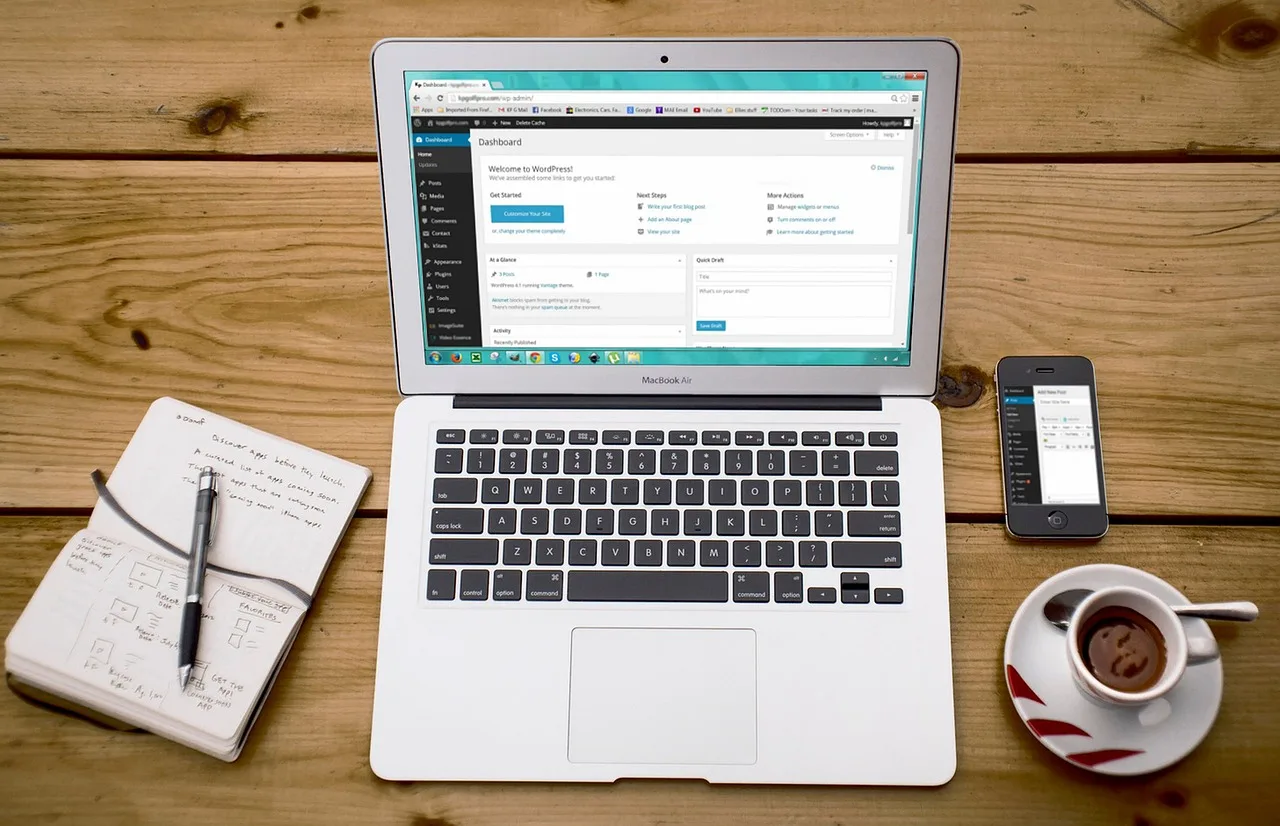
Building hosting affiliate pages in WordPress for landing pages involves creating targeted, SEO-optimized content that converts visitors into customers while adhering to affiliate marketing best practices. These pages serve as digital assets for niche bloggers, independent publishers, and small agencies aiming to monetize their WordPress sites without managing server infrastructure. The process combines strategic content planning, technical SEO, conversion-focused design, and compliance with affiliate program guidelines to generate sustainable revenue streams.
Why Hosting Affiliate Pages Matter for WordPress Publishers
What Role Do Hosting Affiliate Pages Play in Online Business Infrastructure?
Hosting affiliate pages act as bridges between user intent and commercial outcomes. They address specific pain points—such as website speed, uptime reliability, or WordPress-specific features—while guiding visitors toward hosting solutions that match their needs. Unlike generic product reviews, these pages are engineered for conversion, leveraging structured data, persuasive copy, and strategic internal linking to maximize affiliate commissions.
How Do These Pages Fit Into SEO Content Workflows?
SEO-driven hosting affiliate pages target transactional and informational queries, such as "best WordPress hosting for beginners" or "how to migrate a WordPress site." They align with search engine guidelines by providing original research, comparative analysis, and actionable advice. When integrated into a broader content strategy, these pages enhance topical authority, improve crawl efficiency, and create opportunities for backlink acquisition from other publishers in the web hosting niche.
Step-by-Step Guide to Building Hosting Affiliate Pages in WordPress
What Are the Prerequisites for Creating Effective Affiliate Pages?
- A self-hosted WordPress site with full control over plugins, themes, and custom code.
- An approved account with at least one hosting affiliate program (e.g., general web hosting, WordPress-specific hosting, or managed hosting providers).
- A clear understanding of your target audience’s technical proficiency and hosting needs.
- Access to keyword research tools to identify search volume, competition, and user intent.
- Basic familiarity with WordPress page builders or block editors for landing page design.
How to Structure a High-Converting Hosting Affiliate Landing Page?
An effective hosting affiliate page follows a logical flow that addresses user concerns while guiding them toward a conversion. Below is a proven structure:
- Headline: Clearly state the page’s value proposition (e.g., "Best Managed WordPress Hosting for High-Traffic Sites in 2024").
- Introduction: Briefly explain the problem the page solves and why the reader should trust your recommendations.
- Comparison Table: Present key features, pricing, and performance metrics in a scannable format.
- Detailed Reviews: Provide in-depth analysis of each hosting provider, including pros, cons, and ideal use cases.
- FAQ Section: Address common objections (e.g., "Is managed hosting worth the cost?") to reduce friction.
- Call-to-Action (CTA): Use a prominent, benefit-driven CTA (e.g., "Get 60% Off Your First Year") with a clear next step.
- Trust Signals: Include testimonials, case studies, or third-party performance data to build credibility.
Which WordPress Plugins and Tools Streamline the Process?
While WordPress offers native functionality for content creation, the following plugins and tools can enhance efficiency and performance:
- Page Builders: Elementor, Beaver Builder, or the Gutenberg block editor for drag-and-drop landing page design.
- SEO Plugins: Yoast SEO or Rank Math for on-page optimization, schema markup, and readability analysis.
- Table Plugins: TablePress or Ninja Tables for creating responsive comparison tables.
- Affiliate Management: Pretty Links or ThirstyAffiliates for cloaking and tracking affiliate links.
- Performance Optimization: WP Rocket or Autoptimize for caching, minification, and Core Web Vitals improvements.
- Analytics: Google Analytics and Google Search Console for tracking traffic, conversions, and search performance.
How to Optimize Hosting Affiliate Pages for SEO?
SEO optimization ensures your pages rank for relevant queries and attract organic traffic. Follow these best practices:
- Keyword Research: Target long-tail keywords with commercial intent (e.g., "best WordPress hosting for eCommerce"). Use tools like Ahrefs, SEMrush, or Ubersuggest to identify low-competition, high-conversion opportunities.
- On-Page SEO: Optimize title tags, meta descriptions, headers (H1, H2, H3), and URL structures. Include primary and secondary keywords naturally in the content.
- Content Depth: Aim for comprehensive coverage (1,500+ words) to address multiple user intents. Use subheadings, bullet points, and visuals to improve readability.
- Internal Linking: Link to related content (e.g., "how to migrate a WordPress site") to keep users engaged and improve site architecture.
- Schema Markup: Implement FAQ schema, review schema, or product schema to enhance search engine visibility and click-through rates.
- Mobile Optimization: Ensure the page loads quickly and displays correctly on all devices. Use Google’s Mobile-Friendly Test tool for validation.
- Backlink Strategy: Earn high-quality backlinks through guest posting, resource pages, or collaborations with other publishers in the hosting niche.
How to Design Landing Pages for Maximum Conversions?
Conversion-focused design balances aesthetics, usability, and persuasion. Consider the following principles:
- Above-the-Fold Clarity: The top section of the page should immediately communicate the value proposition and include a primary CTA.
- Visual Hierarchy: Use contrasting colors, font sizes, and spacing to guide the user’s attention toward key elements (e.g., CTAs, comparison tables).
- Social Proof: Incorporate testimonials, user counts (e.g., "Trusted by 50,000+ WordPress sites"), or trust badges to reduce skepticism.
- Minimal Distractions: Remove unnecessary navigation links, sidebars, or pop-ups that could divert users from the conversion path.
- A/B Testing: Experiment with different headlines, CTAs, and layouts to identify the highest-performing variations. Use plugins like Nelio A/B Testing for WordPress.
What Are the Key Takeaways?
- Hosting affiliate pages in WordPress serve as conversion-focused assets that monetize user intent without requiring server management expertise.
- Effective pages combine SEO best practices, persuasive copy, and strategic design to guide visitors toward affiliate offers.
- Prerequisites include a self-hosted WordPress site, affiliate program approval, and access to keyword research tools.
- A proven page structure includes a headline, introduction, comparison table, detailed reviews, FAQ, CTA, and trust signals.
- Essential plugins for building these pages include page builders, SEO tools, table plugins, and affiliate link managers.
- SEO optimization involves keyword research, on-page SEO, content depth, internal linking, schema markup, and mobile optimization.
- Conversion-focused design prioritizes above-the-fold clarity, visual hierarchy, social proof, and minimal distractions.
- Compliance with affiliate program guidelines and search engine policies is critical to avoid penalties or account suspensions.
Common Mistakes to Avoid When Building Hosting Affiliate Pages
Why Do Some Hosting Affiliate Pages Fail to Convert?
Several pitfalls can undermine the effectiveness of hosting affiliate pages. Avoid these common mistakes:
- Overly Promotional Content: Pages that read like sales pitches rather than helpful guides often suffer from high bounce rates and low rankings.
- Lack of Original Research: Regurgitating generic information from other sites fails to provide unique value and may trigger duplicate content issues.
- Poor Mobile Experience: Pages that load slowly or display incorrectly on mobile devices lose a significant portion of potential traffic and conversions.
- Ignoring User Intent: Targeting informational keywords with transactional content (or vice versa) leads to mismatched expectations and low engagement.
- Neglecting Compliance: Failing to disclose affiliate relationships or violating program terms can result in account termination or legal consequences.
- Weak CTAs: Generic or unclear calls-to-action (e.g., "Click here") reduce conversion rates compared to benefit-driven alternatives (e.g., "Start Your Free Trial").
FAQ: Building Hosting Affiliate Pages in WordPress
How Long Does It Take to Rank a Hosting Affiliate Page?
Ranking timelines vary based on competition, content quality, backlink profile, and technical SEO. New pages targeting low-competition keywords may rank within 3–6 months, while highly competitive terms can take 12+ months. Consistent content updates, link-building efforts, and technical optimizations can accelerate the process.
Should I Use a Dedicated Landing Page or a Blog Post for Hosting Affiliate Content?
The choice depends on user intent and conversion goals. Dedicated landing pages are ideal for transactional queries (e.g., "best WordPress hosting deals") and often include minimal navigation to reduce distractions. Blog posts work better for informational queries (e.g., "how to choose WordPress hosting") and can incorporate internal links to other relevant content. Hybrid approaches, such as pillar pages with supporting blog posts, can maximize both traffic and conversions.
How Often Should I Update Hosting Affiliate Pages?
Hosting affiliate pages should be updated at least every 6–12 months to reflect changes in pricing, features, or performance metrics. Additionally, monitor industry trends (e.g., new hosting technologies, security updates) and adjust content accordingly. Regular updates signal to search engines that the page remains relevant, which can improve rankings.
Can I Use AI Tools to Generate Hosting Affiliate Content?
AI tools can assist with research, outlining, and drafting, but they should not replace human oversight. AI-generated content often lacks original insights, may contain inaccuracies, and risks triggering search engine penalties for low-quality or duplicate content. Use AI as a productivity aid, but always fact-check, edit, and enhance the