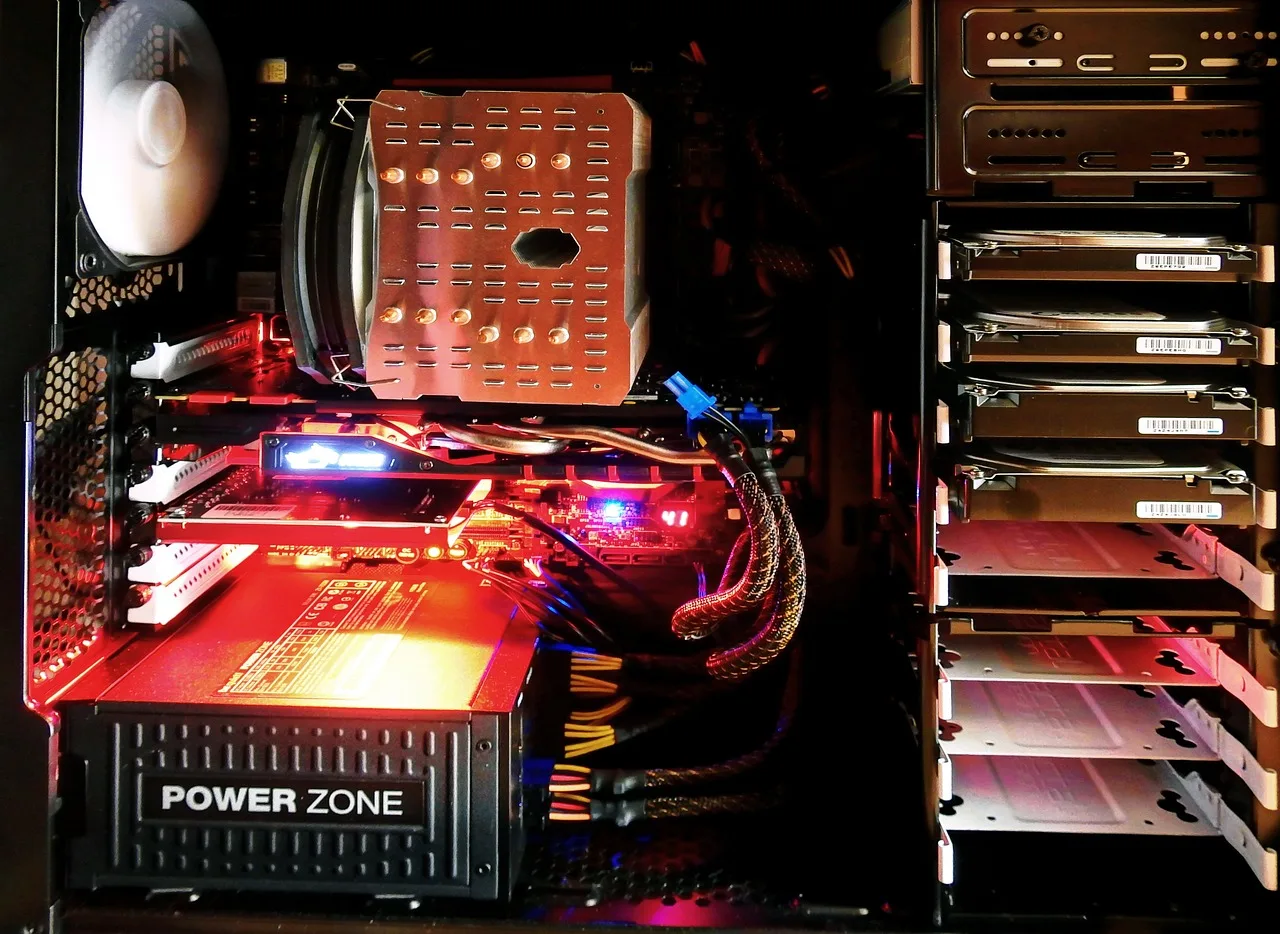
A hosting affiliate content hub is a centralized WordPress website designed to publish, organize, and monetize content about web hosting services while serving the needs of affiliate marketers, niche bloggers, and independent publishers. Unlike generic affiliate sites, a hosting-focused hub requires specialized infrastructure to handle SEO workflows, landing page performance, and scalable content production—all while maintaining reliability, security, and speed. For WordPress publishers, this means selecting hosting environments optimized for affiliate publishing, structuring content for search intent, and ensuring the technical foundation supports long-term growth without requiring server administration expertise.
Why WordPress Publishers Need a Dedicated Hosting Affiliate Content Hub
What Problems Does a Hosting Affiliate Hub Solve?
Affiliate marketers and niche publishers often face fragmented workflows: scattered content, inconsistent hosting performance, and difficulty scaling without technical overhead. A dedicated hub addresses these challenges by:
- Centralizing content authority: Consolidating hosting-related articles, comparisons, and tutorials under one domain improves SEO signals and reduces cannibalization.
- Streamlining monetization: A single WordPress installation with affiliate plugins and tracking tools simplifies commission management.
- Reducing technical debt: Reliable hosting minimizes downtime, slow load times, and security vulnerabilities that erode publisher credibility.
- Supporting scalable publishing: A well-configured hub accommodates high-volume content production without sacrificing performance.
How Does This Differ from a Generic Affiliate Site?
A hosting affiliate hub is not just a collection of product reviews. It functions as a content ecosystem with:
- SEO-optimized landing pages: Targeting commercial and informational queries (e.g., "best WordPress hosting for beginners," "managed vs. shared hosting").
- Evergreen content workflows: Articles designed for long-term traffic, such as tutorials, glossaries, and comparison guides.
- Technical infrastructure: Hosting optimized for WordPress, with caching, CDN integration, and automated backups to handle affiliate traffic spikes.
- Conversion-focused design: Landing pages with clear CTAs, trust signals (e.g., uptime guarantees, expert reviews), and minimal friction for affiliate links.
Step 1: Choosing the Right Hosting Infrastructure for Affiliate Publishing
What Hosting Features Matter Most for WordPress Affiliate Hubs?
Not all hosting is equal for affiliate publishers. Key requirements include:
- Performance and uptime: Google’s Core Web Vitals prioritize speed; slow hosting harms rankings and conversions. Look for providers with SSD storage, PHP 8.x support, and server-level caching.
- Scalability: Affiliate sites may experience traffic surges after viral content or seasonal promotions. Hosting should handle spikes without manual upgrades.
- Security: Affiliate sites are frequent targets for malware and brute-force attacks. Features like SSL certificates, firewalls, and malware scanning are non-negotiable.
- WordPress-specific optimizations: One-click installs, staging environments, and automatic updates reduce maintenance overhead.
- Support for affiliate tools: Compatibility with plugins like Pretty Links, ThirstyAffiliates, and Rank Math for link management and SEO.
Shared vs. Managed vs. VPS Hosting: Which Is Best?
Publishers must balance cost, control, and convenience:
- Shared hosting: Affordable but limited in resources. Suitable for new hubs with low traffic but may struggle with performance as content scales.
- Managed WordPress hosting: Optimized for WordPress with automated backups, security, and performance tweaks. Ideal for publishers who prioritize ease of use over customization.
- VPS or cloud hosting: Offers full control and scalability but requires technical expertise. Best for high-traffic hubs with custom needs.
Step 2: Structuring the Content Hub for SEO and Conversions
How Should You Organize Hosting-Related Content?
A well-structured hub aligns with search intent and user journeys. Consider these content types:
- Comparison articles: "Best WordPress hosting for [use case]" (e.g., eCommerce, blogs, agencies).
- Tutorials and guides: Step-by-step content like "How to migrate WordPress to a new host" or "Setting up SSL on your site."
- Glossaries and definitions: Evergreen pages explaining terms like "CDN," "TTFB," or "cPanel" to capture long-tail traffic.
- Landing pages: Dedicated pages for specific hosting providers, optimized for branded searches (e.g., "[Provider Name] review").
- Case studies and data-driven content: "How [Provider] improved site speed by 40%" to build authority.
What SEO Workflows Should You Implement?
Affiliate hubs rely on organic traffic. Key SEO practices include:
- Keyword clustering: Group related queries (e.g., "best hosting for WordPress," "fastest WordPress hosting") under pillar pages.
- Internal linking: Use contextual links to guide users from informational to commercial content (e.g., linking a "how to choose hosting" guide to a comparison page).
- Schema markup: Implement review, FAQ, and breadcrumb schema to enhance SERP visibility.
- Content freshness: Update old articles with new data, pricing, or provider changes to maintain rankings.
- Technical SEO: Ensure crawlability with XML sitemaps, clean URL structures, and mobile responsiveness.
Step 3: Ensuring Reliability and Long-Term Maintenance
What Are the Risks of Poor Hosting Choices?
Unreliable hosting undermines publisher credibility and revenue:
- Downtime: Even brief outages can cost affiliate commissions and harm rankings.
- Slow load times: Pages that take over 2 seconds to load see higher bounce rates, reducing conversions.
- Security breaches: Hacked sites lose trust, rankings, and may be blacklisted by search engines.
- Scalability issues: Traffic spikes can crash shared hosting, leading to lost opportunities.
How Can Publishers Mitigate These Risks?
- Automated backups: Daily or real-time backups ensure quick recovery from data loss or hacks.
- CDN integration: Distributes content globally to reduce latency and improve load times.
- Monitoring tools: Use uptime monitors (e.g., UptimeRobot) and performance trackers (e.g., Google PageSpeed Insights) to detect issues early.
- Regular audits: Quarterly reviews of hosting performance, security, and content relevance.
- Redundancy: For high-traffic hubs, consider multi-server setups or cloud hosting with failover capabilities.
What Are the Key Takeaways?
- A hosting affiliate content hub consolidates authority, streamlines monetization, and reduces technical overhead for WordPress publishers.
- Hosting choice impacts SEO, conversions, and scalability; prioritize performance, security, and WordPress-specific optimizations.
- Content should be structured around search intent, with a mix of evergreen guides, comparisons, and landing pages.
- SEO workflows—including keyword clustering, internal linking, and schema markup—are critical for organic traffic.
- Reliability requires proactive measures: automated backups, CDNs, monitoring, and regular audits.
- Managed WordPress hosting balances convenience and performance, while VPS/cloud hosting offers more control for advanced users.
FAQ: Common Questions About Hosting Affiliate Content Hubs
Can I Use Free Hosting for an Affiliate Hub?
Free hosting is not recommended for affiliate hubs. Limitations include:
- Poor performance and frequent downtime.
- Lack of SSL certificates, security features, and backups.
- Restrictions on affiliate links or monetization methods.
- No support for WordPress optimizations or plugins.
Investing in paid hosting is essential for reliability and professionalism.
How Much Traffic Can a Hosting Affiliate Hub Handle?
Traffic capacity depends on hosting type:
- Shared hosting: Typically handles 10,000–50,000 monthly visitors before performance degrades.
- Managed WordPress hosting: Scales to 100,000+ visitors with proper caching and CDN.
- VPS/cloud hosting: Can handle millions of visitors with load balancing and auto-scaling.
Monitor traffic and upgrade hosting as needed to avoid slowdowns.
Do I Need a Custom Domain for an Affiliate Hub?
Yes. A custom domain (e.g., yourhub.com) is critical for:
- Branding and credibility.
- SEO authority and backlink potential.
- Long-term asset ownership (unlike subdomains on free platforms).
Choose a short, memorable domain related to hosting or WordPress (e.g., "HostingInsider.com").
What Plugins Are Essential for a Hosting Affiliate Hub?
Key plugins include:
- SEO: Rank Math or Yoast SEO for on-page optimization and schema markup.
- Affiliate link management: Pretty Links or ThirstyAffiliates to cloak and track links.
- Performance: WP Rocket or LiteSpeed Cache for speed optimization.
- Security: Wordfence or Sucuri for malware scanning and firewalls.
- Content creation: Elementor or GeneratePress for landing page design.