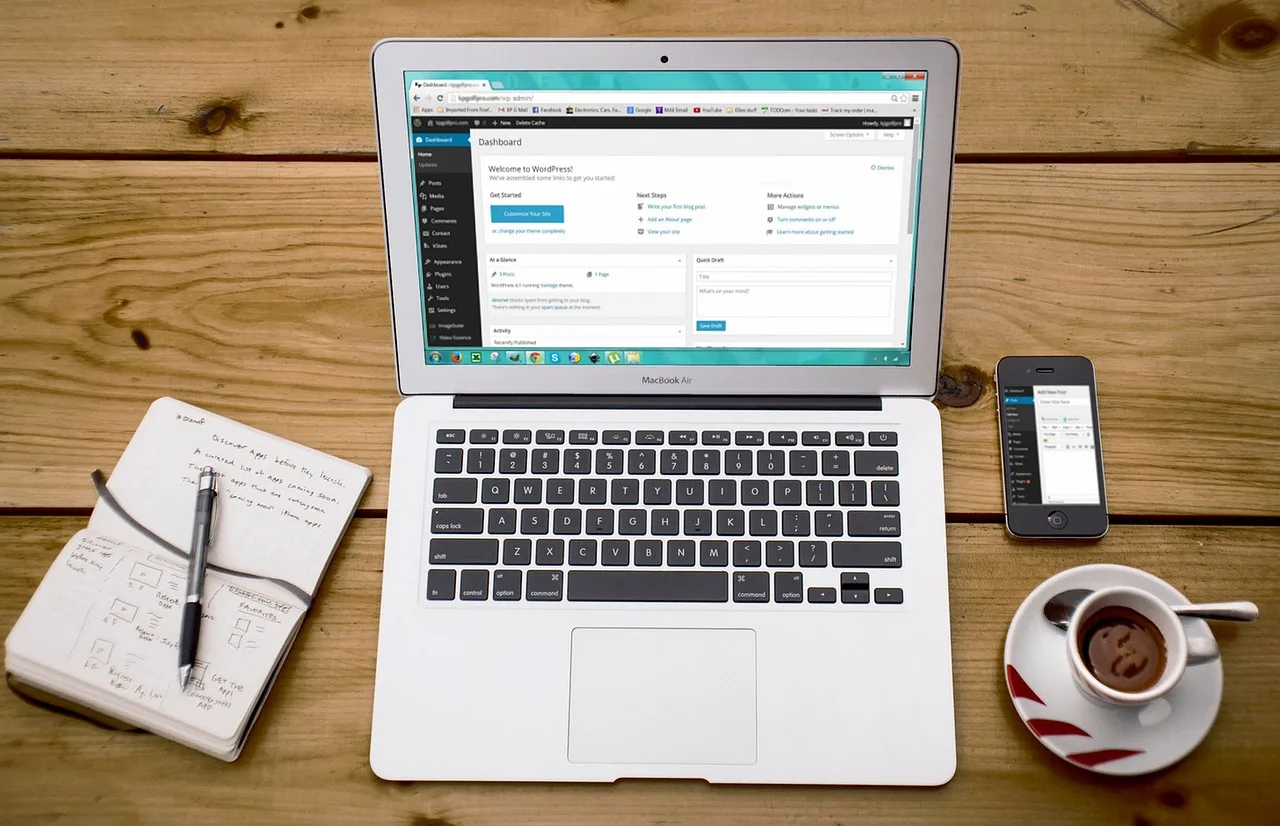
Setting up hosting for affiliate landing pages quickly and efficiently is a critical step for niche publishers, affiliate marketers, and independent web creators who rely on WordPress as their primary content management system (CMS). This process involves selecting a hosting environment optimized for WordPress, configuring it to support high-converting landing pages, and ensuring the infrastructure aligns with SEO workflows and scalable content hubs. Unlike generic web hosting, WordPress-specific hosting solutions are designed to handle the unique demands of affiliate publishing—such as dynamic content delivery, plugin compatibility, and performance optimization—without requiring deep server administration expertise. This guide focuses exclusively on practical, WordPress-aligned hosting strategies for affiliate landing pages and content hubs, emphasizing speed, reliability, and SEO readiness.
Why WordPress-Specific Hosting Matters for Affiliate Landing Pages
What distinguishes WordPress hosting from generic web hosting?
WordPress hosting is a specialized category of web hosting tailored to the technical and operational needs of WordPress websites. Unlike generic shared or VPS hosting, WordPress hosting typically includes:
- Automated WordPress installation and updates to reduce manual setup time.
- Server-level caching and optimization for faster page loads, which is critical for both user experience and SEO.
- Staging environments to test landing page designs and plugins without affecting live sites.
- Enhanced security with malware scanning, firewalls, and brute-force protection tailored to WordPress vulnerabilities.
- Scalability options that accommodate traffic spikes common in affiliate campaigns.
For affiliate marketers, these features translate into faster deployment of landing pages, improved conversion rates, and reduced technical overhead.
How does hosting impact SEO and affiliate performance?
Hosting infrastructure directly influences several SEO and performance metrics that affect affiliate revenue:
- Page load speed: Faster sites rank better in search engines and convert more visitors into clicks or sales.
- Uptime reliability: Frequent downtime can lead to lost traffic, lower rankings, and reduced affiliate earnings.
- Server location: Hosting servers closer to the target audience reduces latency and improves user experience.
- SSL/TLS support: Secure connections (HTTPS) are a ranking factor and build trust with visitors.
- Resource allocation: Insufficient CPU, RAM, or bandwidth can slow down sites during traffic surges, harming conversions.
For content hubs—centralized collections of interlinked articles, reviews, and landing pages—hosting must also support high volumes of dynamic content and internal linking without performance degradation.
How to Choose the Right WordPress Hosting for Affiliate Landing Pages
What are the main types of WordPress hosting?
WordPress hosting solutions vary in complexity, cost, and control. The most common options include:
- Shared WordPress Hosting: Affordable and beginner-friendly, but resources are shared with other sites, which can limit performance during traffic spikes.
- Managed WordPress Hosting: Fully optimized for WordPress, with automated updates, backups, and security. Ideal for publishers who prioritize ease of use over customization.
- VPS (Virtual Private Server) Hosting: Offers dedicated resources and greater control, but requires more technical knowledge to manage.
- Cloud Hosting: Scalable and flexible, with resources distributed across multiple servers. Suitable for high-traffic content hubs.
- Dedicated Hosting: Entire server dedicated to one site, offering maximum performance and control. Typically overkill for most affiliate landing pages.
Which hosting type is best for fast setup and scalability?
For affiliate marketers and niche publishers who need to deploy landing pages quickly and scale content hubs without technical friction, managed WordPress hosting is the most practical choice. It balances performance, ease of use, and scalability while minimizing server management tasks. Shared WordPress hosting can be a cost-effective starting point, but it may struggle under the demands of multiple landing pages or traffic surges. VPS and cloud hosting are better suited for advanced users or sites with consistently high traffic.
What features should you prioritize for affiliate landing pages?
When evaluating WordPress hosting for affiliate landing pages, prioritize the following features:
- One-click WordPress installation to reduce setup time.
- Automated backups and restore points to protect against data loss or configuration errors.
- Staging environments to test landing page designs, plugins, and content updates safely.
- CDN (Content Delivery Network) integration to improve global load times and SEO.
- SSL certificates included to ensure secure connections and compliance with search engine requirements.
- Scalable resources (CPU, RAM, bandwidth) to handle traffic spikes from promotions or viral content.
- 24/7 customer support with WordPress expertise to resolve issues quickly.
- Optimized server configurations (e.g., PHP 8+, OPcache, object caching) for faster page rendering.
Step-by-Step: Setting Up WordPress Hosting for Affiliate Landing Pages
How do you register a domain and connect it to hosting?
Before setting up hosting, you need a domain name that aligns with your affiliate niche or brand. Follow these steps:
- Choose a domain registrar: Select a reputable registrar that offers domain privacy protection and easy DNS management.
- Register your domain: Pick a short, memorable name that reflects your content hub’s focus (e.g., "BestEcoGadgets.com").
- Point the domain to your hosting provider: Update the domain’s DNS settings to point to your hosting provider’s nameservers. This process varies by registrar but typically involves entering the nameservers provided by your host.
- Verify the connection: Use tools like
pingornslookupto confirm the domain resolves to your hosting server.
How do you install WordPress quickly?
Most managed WordPress hosts offer one-click installation. Here’s how to proceed:
- Log in to your hosting control panel (e.g., cPanel, Plesk, or a custom dashboard).
- Locate the WordPress installer: Look for options like "WordPress Installer," "Softaculous," or "1-Click Install."
- Configure the installation:
- Select the domain or subdomain where WordPress should be installed.
- Set an admin username and password (avoid "admin" for security).
- Choose a site title and tagline relevant to your affiliate niche.
- Enable automatic updates for WordPress core, themes, and plugins.
- Complete the installation: Click "Install" and wait for the process to finish. You’ll receive a confirmation email with login details.
- Log in to the WordPress dashboard to begin customizing your site.
How do you configure WordPress for affiliate landing pages?
Once WordPress is installed, optimize it for affiliate landing pages and content hubs:
- Choose a lightweight, SEO-friendly theme: Avoid bloated themes with excessive features. Opt for themes designed for speed and conversion, such as those built for affiliate marketing or niche publishing.
- Install essential plugins:
- SEO plugin (e.g., for meta tags, XML sitemaps, and schema markup).
- Caching plugin to improve page load speed.
- Security plugin to protect against malware and brute-force attacks.
- Affiliate link management plugin to cloak and track links.
- Page builder plugin (optional) for creating high-converting landing pages without coding.
- Set up permalinks: Use a clean, SEO-friendly URL structure (e.g.,
/post-name/) under Settings > Permalinks. - Configure SSL: Ensure your site uses HTTPS by installing an SSL certificate (usually provided by your host) and forcing HTTPS in WordPress settings.
- Create a staging environment: Use your host’s staging feature to test changes before deploying them to the live site.
- Optimize for performance:
- Enable caching at the server and plugin levels.
- Compress images using a plugin or CDN.
- Minify CSS and JavaScript files.
- Use a CDN to distribute static assets globally.
What Are the Key Takeaways?
- WordPress-specific hosting is essential for affiliate landing pages and content hubs, offering optimized performance, security, and ease of use.
- Managed WordPress hosting is the best choice for most affiliate marketers, balancing speed, scalability, and minimal technical overhead.
- Key hosting features to prioritize include one-click WordPress installation, automated backups, staging environments, CDN integration, and scalable resources.
- Domain registration and DNS configuration are critical first steps in setting up hosting for affiliate sites.
- WordPress should be configured with a lightweight theme, essential plugins, and performance optimizations to support SEO and conversions.
- Regularly monitor hosting performance, uptime, and security to maintain a reliable affiliate publishing infrastructure.
Common Mistakes to Avoid When Setting Up Hosting for Affiliate Landing Pages
Why do some affiliate sites fail due to poor hosting choices?
Many affiliate marketers underestimate the impact of hosting on their site’s performance and revenue. Common mistakes include:
- Choosing the cheapest hosting option: Low-cost shared hosting often lacks the resources and optimizations needed for affiliate landing pages, leading to slow load times and poor SEO performance.
- Ignoring server location: Hosting a site targeting a U.S. audience on a server in Europe can result in