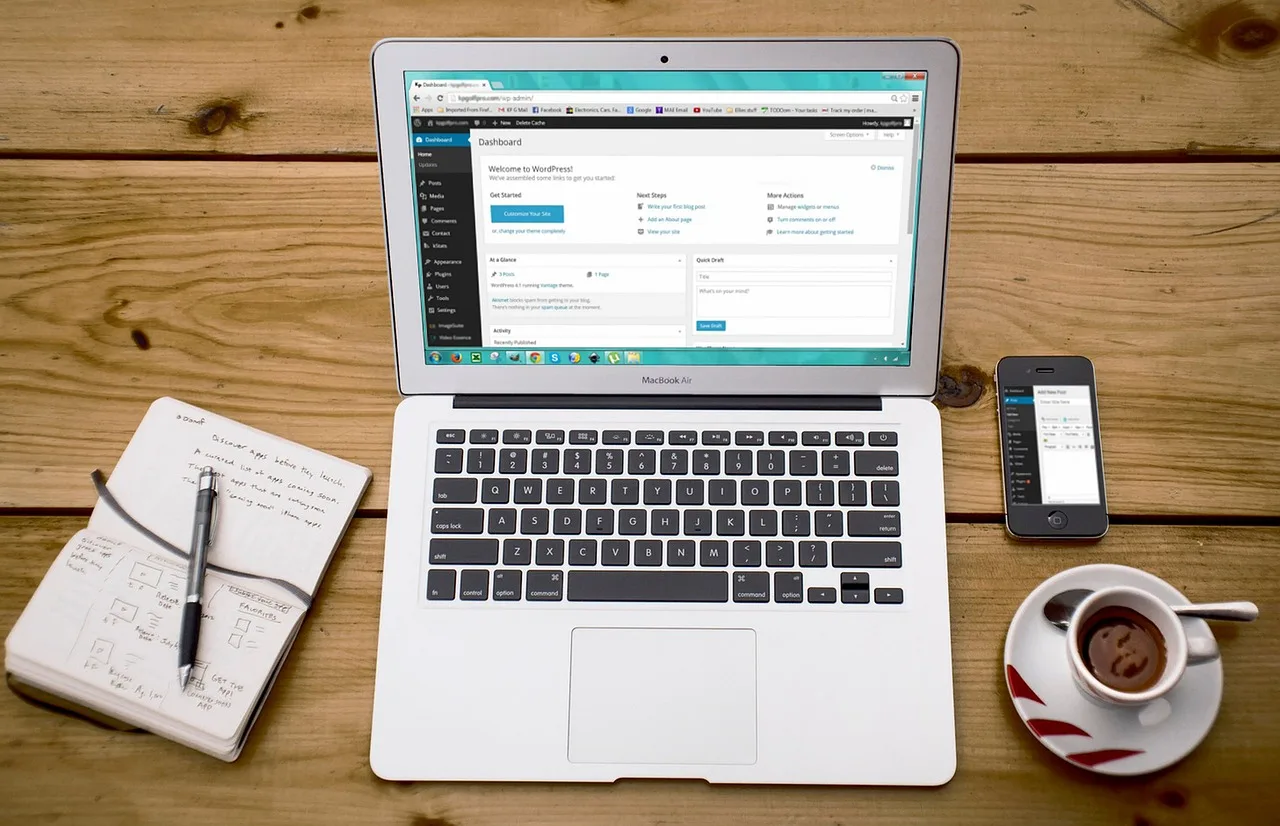
Setting up WordPress hosting for affiliate websites involves creating a reliable, scalable, and SEO-optimized infrastructure to support niche publishing, content workflows, and online business assets. Unlike generic web hosting, affiliate-focused WordPress hosting must prioritize performance, security, and ease of use for marketers who need to publish landing pages, product reviews, and SEO-driven content without managing complex server configurations. This guide provides a structured approach to selecting, configuring, and maintaining WordPress hosting tailored for affiliate websites, ensuring a stable foundation for long-term growth.
Why Does WordPress Hosting Matter for Affiliate Websites?
Affiliate websites rely on consistent uptime, fast loading speeds, and seamless content management to convert visitors into commissions. WordPress hosting optimized for affiliate publishing addresses three critical needs:
- Performance: Slow-loading pages increase bounce rates and reduce search engine visibility, directly impacting affiliate revenue.
- Security: Affiliate sites are frequent targets for malware, spam, and unauthorized access due to their commercial nature.
- Scalability: As traffic grows, the hosting environment must handle increased demand without requiring manual server adjustments.
Choosing the right hosting setup ensures that affiliate marketers can focus on content creation, SEO, and conversion optimization rather than technical troubleshooting.
What Are the Key Hosting Requirements for Affiliate WordPress Sites?
Before selecting a hosting provider, define the technical and operational requirements specific to affiliate websites:
- Server Resources: Sufficient CPU, RAM, and storage to handle traffic spikes, especially during product launches or seasonal promotions.
- WordPress Optimization: Pre-configured caching, database optimization, and PHP settings to maximize performance.
- Staging Environments: A safe space to test updates, plugins, and design changes before deploying to the live site.
- Automated Backups: Daily or real-time backups to prevent data loss from human error, hacking, or server failures.
- SSL Certificates: Free or integrated SSL to secure user data and comply with search engine requirements.
- CDN Integration: Content delivery networks to reduce latency for global audiences, improving user experience and SEO.
- Email Hosting: Reliable email services for transactional messages, newsletters, and affiliate program communications.
How to Choose a Beginner-Friendly WordPress Hosting Provider?
Selecting a hosting provider for affiliate websites requires balancing ease of use with technical capabilities. Consider the following criteria:
What Type of Hosting Is Best for Affiliate Sites?
- Shared Hosting: Cost-effective for new sites with low traffic but may lack performance and security for high-conversion affiliate pages.
- Managed WordPress Hosting: Optimized for WordPress with automated updates, security patches, and performance enhancements, ideal for affiliate marketers who prefer hands-off management.
- VPS Hosting: Offers dedicated resources and greater control but requires technical knowledge to configure and maintain.
- Cloud Hosting: Scalable and reliable, with pay-as-you-go pricing, but may involve a steeper learning curve for beginners.
For most affiliate websites, managed WordPress hosting provides the best balance of performance, security, and usability.
What Features Should You Prioritize?
- One-Click WordPress Installation: Simplifies the setup process for non-technical users.
- Automated Updates: Ensures WordPress core, themes, and plugins are always current to reduce vulnerabilities.
- 24/7 Support: Access to expert assistance for troubleshooting, performance issues, and security concerns.
- Uptime Guarantees: Look for providers offering at least 99.9% uptime to minimize revenue loss from downtime.
- Scalability Options: The ability to upgrade resources seamlessly as traffic and content volume grow.
How to Set Up WordPress Hosting for an Affiliate Website?
Once a hosting provider is selected, follow these steps to configure WordPress for affiliate publishing:
Step 1: Register a Domain Name
Choose a domain name that reflects the niche, is easy to remember, and aligns with SEO best practices. Avoid hyphens, numbers, and overly long phrases. Use a reputable domain registrar or purchase the domain directly through the hosting provider for streamlined management.
Step 2: Install WordPress
Most managed WordPress hosts offer one-click installation. If manual installation is required:
- Download the latest WordPress version from the official website.
- Upload the files to the hosting account via FTP or the host’s file manager.
- Create a MySQL database and user through the hosting control panel.
- Run the WordPress installation script by accessing the domain in a web browser.
Step 3: Configure Essential WordPress Settings
- Permalinks: Set to "Post Name" for SEO-friendly URLs.
- Site Title and Tagline: Clearly describe the affiliate niche and value proposition.
- Time Zone and Date Format: Align with the target audience’s location for accurate publishing schedules.
- Discussion Settings: Disable or moderate comments to prevent spam and maintain focus on conversions.
Step 4: Install a Lightweight, SEO-Optimized Theme
Select a theme designed for speed, mobile responsiveness, and affiliate content. Avoid bloated themes with excessive features that slow down the site. Key attributes to look for:
- Schema markup support for rich snippets.
- Built-in optimization for Core Web Vitals.
- Compatibility with popular page builders for landing pages.
- Regular updates and developer support.
Step 5: Install Essential Plugins for Affiliate Websites
Plugins extend WordPress functionality for affiliate publishing. Prioritize the following categories:
- SEO: Tools for on-page optimization, XML sitemaps, and meta tag management.
- Performance: Caching plugins, image optimization, and lazy loading to improve page speed.
- Security: Firewalls, malware scanning, and login protection to safeguard the site.
- Affiliate Management: Plugins to cloak links, track clicks, and manage disclosures.
- Content Workflow: Editorial calendars, draft management, and collaboration tools for teams.
Step 6: Set Up Security and Backups
Protect the affiliate website from threats and data loss with these measures:
- Enable two-factor authentication for all user accounts.
- Limit login attempts to prevent brute-force attacks.
- Install a security plugin to monitor vulnerabilities and block malicious traffic.
- Configure automated backups to a remote location (e.g., cloud storage) with daily or real-time frequency.
- Regularly update WordPress core, themes, and plugins to patch security flaws.
Step 7: Optimize for Speed and SEO
Fast-loading, search-engine-friendly pages are critical for affiliate success. Implement these optimizations:
- Enable browser caching and server-side caching.
- Compress images and serve them in next-gen formats (e.g., WebP).
- Minify CSS, JavaScript, and HTML to reduce file sizes.
- Use a CDN to distribute content globally and reduce latency.
- Optimize database tables to remove overhead and improve query performance.
- Submit the sitemap to search engines and monitor crawl errors.
What Are the Key Takeaways?
- Affiliate WordPress hosting must prioritize performance, security, and scalability to support SEO-driven content and conversions.
- Managed WordPress hosting is the most beginner-friendly option, offering automated updates, backups, and expert support.
- Key hosting features include one-click WordPress installation, staging environments, SSL certificates, and CDN integration.
- Setting up WordPress for affiliate websites involves configuring essential settings, installing a lightweight theme, and adding plugins for SEO, security, and performance.
- Regular maintenance, including updates, backups, and speed optimizations, is critical to sustaining long-term affiliate revenue.
- Security measures such as two-factor authentication, malware scanning, and login protection help mitigate risks associated with affiliate publishing.
FAQ: Common Questions About WordPress Hosting for Affiliate Websites
Can I Use Free Hosting for an Affiliate Website?
Free hosting is not recommended for affiliate websites due to limited resources, poor performance, and lack of security features. Most free hosts impose restrictions on traffic, storage, and customization, which can hinder SEO efforts and user experience. Additionally, free hosting often includes forced advertisements, which may conflict with affiliate content and reduce credibility.
How Much Traffic Can a Beginner-Friendly WordPress Hosting Plan Handle?
Traffic capacity depends on the hosting type and provider. Shared hosting plans typically support 10,000 to 50,000 monthly visitors, while managed WordPress hosting can handle 50,000 to 250,000 visitors, depending on the plan. For affiliate sites expecting rapid growth, scalable cloud hosting or VPS options are preferable. Monitor traffic trends and upgrade resources proactively to avoid performance issues.
Do I Need a Dedicated IP Address for an Affiliate Website?
A dedicated IP address is not strictly necessary for most affiliate websites but can be beneficial in specific scenarios:
- Running an SSL certificate on shared hosting without Server Name Indication (SNI) support.
- Sending large volumes of email without being affected by other users’ reputations on the same IP.
- Hosting multiple websites under a single account with distinct IP addresses for each.
Managed WordPress hosts often include dedicated IPs in higher-tier plans, while shared hosting providers may offer them as an add-on.
How Often Should I Back Up My Affiliate WordPress Site?
Backup frequency depends on the site’s update schedule and traffic volume.