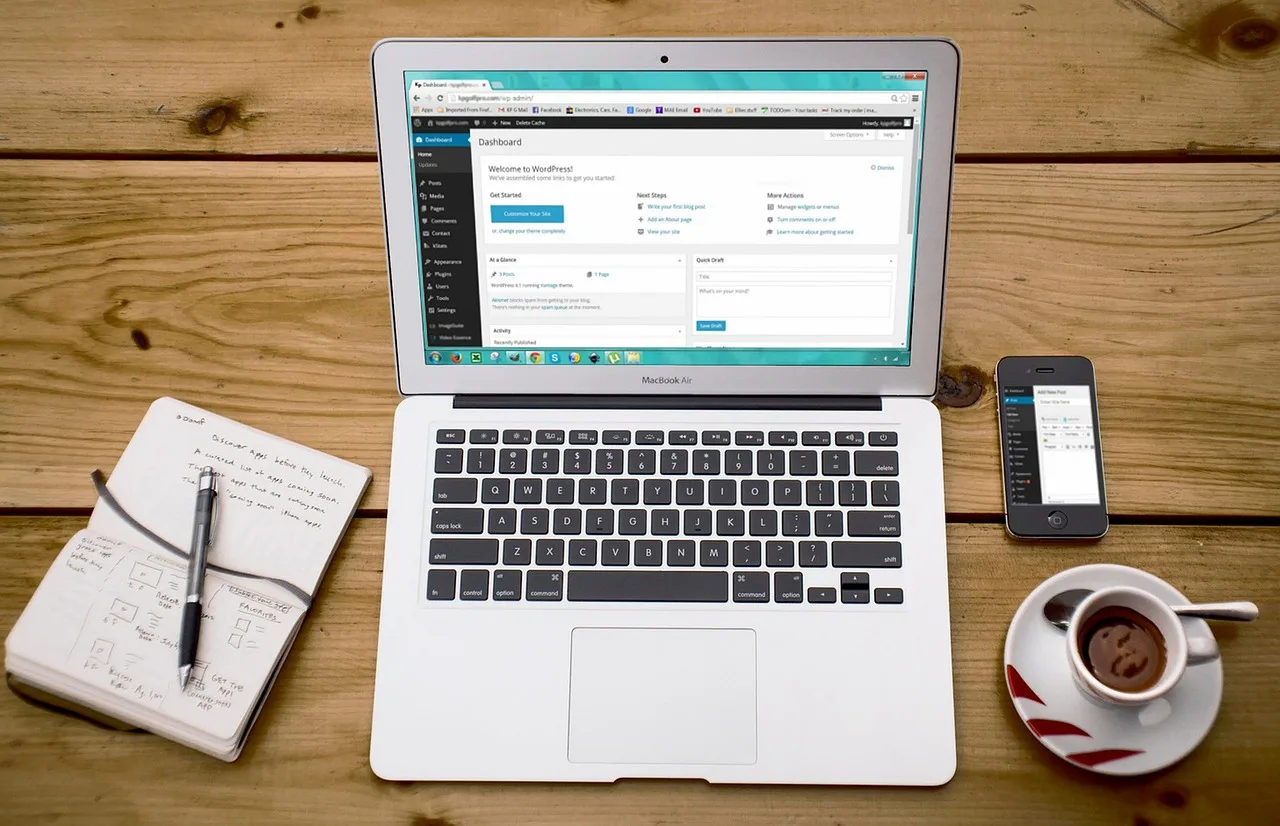
A WordPress hosting affiliate site workflow is a structured process for creating, optimizing, and scaling a content-driven website that earns commissions by referring visitors to managed WordPress hosting providers. This workflow integrates niche publishing, SEO-driven content creation, landing page design, and performance tracking—all without requiring server administration expertise. The goal is to build a sustainable online business asset that generates passive income through affiliate partnerships while maintaining editorial integrity and search engine compliance.
This guide outlines the key phases of the workflow, from initial research to long-term growth, with an emphasis on practical steps, risk-aware strategies, and infrastructure decisions that align with WordPress hosting affiliate programs.
Why Focus on WordPress Hosting Affiliate Sites?
WordPress hosting is a high-intent, high-value niche within the broader web hosting market. Unlike generic hosting, WordPress-specific solutions address the needs of site owners who prioritize performance, security, and ease of use for WordPress-powered websites. Affiliate marketers benefit from:
- Recurring commissions: Many WordPress hosting providers offer lifetime or long-term payouts for referred customers.
- High search volume: Keywords related to WordPress hosting, speed, security, and migration attract consistent organic traffic.
- Low barrier to entry: No technical expertise in server management is required; the focus is on content and conversion.
- Scalable infrastructure: Affiliate sites can be built on lightweight, fast-loading WordPress installations, reducing overhead costs.
However, success depends on a disciplined workflow that balances content quality, SEO best practices, and conversion optimization.
Phase 1: Research and Planning
What Should You Research Before Launching?
Effective research minimizes wasted effort and ensures alignment with market demand. Key areas to investigate include:
- Keyword opportunities: Identify search terms with commercial intent (e.g., "best managed WordPress hosting for agencies," "fastest WordPress hosting for blogs"). Use tools to analyze search volume, competition, and keyword difficulty.
- Affiliate program terms: Compare commission structures, cookie durations, and payout thresholds across WordPress hosting providers. Prioritize programs with transparent tracking and reliable support.
- Competitor analysis: Study top-ranking affiliate sites in the niche. Note their content structure, internal linking strategies, and conversion tactics. Avoid direct replication; instead, identify gaps or underserved subtopics.
- Target audience pain points: WordPress site owners often struggle with slow loading times, security vulnerabilities, or complex migrations. Content should address these concerns with actionable solutions.
How Do You Define Your Site’s Scope?
Narrowing the site’s focus improves relevance and authority. Consider:
- Niche segmentation: Instead of covering "WordPress hosting" broadly, target sub-niches like "WordPress hosting for e-commerce," "hosting for high-traffic blogs," or "budget WordPress hosting for beginners."
- Content pillars: Organize content around 3–5 core topics (e.g., performance, security, pricing, migration). This structure supports internal linking and topical authority.
- Conversion goals: Define whether the site will prioritize direct affiliate clicks, email list growth, or lead generation for higher-ticket offers.
Phase 2: Infrastructure and Setup
What Hosting and Technical Stack Should You Use?
The foundation of an affiliate site is its infrastructure. While the site promotes WordPress hosting, its own hosting should be reliable, fast, and cost-effective. Key considerations:
- Hosting choice: Use a lightweight, managed WordPress hosting solution that balances speed and affordability. Avoid overpaying for resources that won’t be utilized.
- Domain selection: Choose a brandable, short domain name that reflects the niche (e.g., "WPHostingGuru.com" vs. "BestWordPressHosting2024.com"). Exact-match domains are no longer a ranking factor and may appear spammy.
- Theme and plugins: Select a lightweight, mobile-responsive theme optimized for speed. Essential plugins include:
- SEO plugin (for meta tags, sitemaps, and schema markup).
- Caching plugin (to improve page load times).
- Affiliate link management plugin (to cloak, track, and rotate links).
- Security plugin (to protect against malware and brute-force attacks).
- Analytics and tracking: Set up Google Analytics, Google Search Console, and affiliate dashboard tracking to monitor traffic, conversions, and revenue.
How Do You Structure the Site for SEO and Conversions?
A well-structured site enhances user experience and search engine visibility. Key elements include:
- URL structure: Use short, descriptive URLs (e.g., "/best-wordpress-hosting-for-agencies") that include primary keywords.
- Internal linking: Link related articles to distribute link equity and guide users to conversion-focused pages.
- Landing pages: Create dedicated pages for high-intent keywords (e.g., "WordPress hosting comparison," "managed vs. shared hosting"). These pages should include:
- Clear value propositions.
- Comparison tables or feature breakdowns.
- Prominent call-to-action buttons (e.g., "Check Pricing" or "Get Started").
- Schema markup: Implement review schema, FAQ schema, and breadcrumb schema to enhance search result snippets.
Phase 3: Content Creation and Optimization
What Types of Content Perform Best for WordPress Hosting Affiliate Sites?
Content should educate, inform, and guide users toward a hosting decision. High-performing content formats include:
- Comparison articles: "Hosting Provider A vs. Hosting Provider B: Which is Best for WordPress?" These pages target commercial intent keywords and often rank well.
- Best-of lists: "Top 5 Managed WordPress Hosting Providers for 2024." These pages attract broad search volume and can be updated annually.
- Problem-solving guides: "How to Migrate Your WordPress Site Without Downtime" or "How to Fix a Slow WordPress Site." These articles build trust and can include affiliate links naturally.
- Case studies or tutorials: "How I Reduced My WordPress Site’s Load Time by 50% Using [Hosting Provider]." These provide social proof and demonstrate expertise.
How Do You Optimize Content for SEO and Conversions?
Optimization ensures content ranks well and converts visitors into affiliate clicks. Key tactics include:
- Keyword placement: Include primary and secondary keywords in the title, meta description, headings, and first 100 words. Avoid keyword stuffing.
- Content depth: Aim for comprehensive, in-depth articles (1,500+ words) that cover the topic thoroughly. Google favors content that satisfies user intent.
- Visuals and multimedia: Use screenshots, comparison tables, infographics, and videos to improve engagement and dwell time.
- Affiliate link placement: Insert links naturally within the content, focusing on high-intent sections (e.g., "If you’re looking for a fast, secure hosting solution, [Provider X] offers…"). Avoid excessive linking, which can appear spammy.
- CTA optimization: Use clear, action-oriented language for call-to-action buttons (e.g., "Try [Provider] Risk-Free" instead of "Click Here").
Phase 4: Promotion and Growth
How Do You Drive Traffic to Your Affiliate Site?
Traffic generation requires a mix of organic and paid strategies. Focus on sustainable methods:
- SEO: Publish consistently, update old content, and build high-quality backlinks through guest posting, digital PR, or resource page outreach.
- Content syndication: Repurpose articles as LinkedIn posts, Medium articles, or newsletters to reach a wider audience.
- Social media: Share content on platforms where WordPress users are active (e.g., Twitter, Facebook Groups, Reddit). Avoid spammy self-promotion; focus on providing value.
- Email marketing: Build an email list to nurture leads and promote new content or hosting deals. Offer a lead magnet (e.g., "Free WordPress Hosting Checklist") to encourage sign-ups.
- Paid advertising: Use Google Ads or Facebook Ads to target high-intent keywords or audiences. Start with a small budget and scale based on ROI.
How Do You Scale and Maintain the Site?
Scaling an affiliate site involves expanding content, improving conversions, and diversifying traffic sources. Key strategies include:
- Content expansion: Add new articles, update old ones, and create content clusters around emerging subtopics (e.g., "WordPress hosting for AI-powered sites").
- Conversion rate optimization (CRO): Test different CTAs, landing page layouts, and affiliate link placements to improve click-through rates.
- Diversify revenue streams: Explore additional monetization methods, such as display ads, sponsored posts, or selling digital products (e.g., hosting migration guides).
- Monitor performance: Track key metrics (traffic, bounce rate, conversion rate, revenue) using analytics tools. Adjust strategies based on data.
- Stay compliant: Disclose affiliate relationships transparently (e.g., "This post contains affiliate links"). Follow FTC guidelines and hosting providers’ terms of service.
What Are the Key Takeaways?
- A WordPress hosting affiliate site workflow is a structured process for building a content-driven website that earns commissions by referring visitors to hosting providers.
- Success depends on thorough research, including keyword analysis, competitor study, and affiliate program evaluation.
- The site’s infrastructure should prioritize speed, security, and SEO-friendliness, using lightweight themes and essential plugins.
- Content should address user pain points, target commercial intent keywords, and include natural affiliate link placements.
- Promotion strategies include SEO, social media, email marketing, and paid advertising, with a